

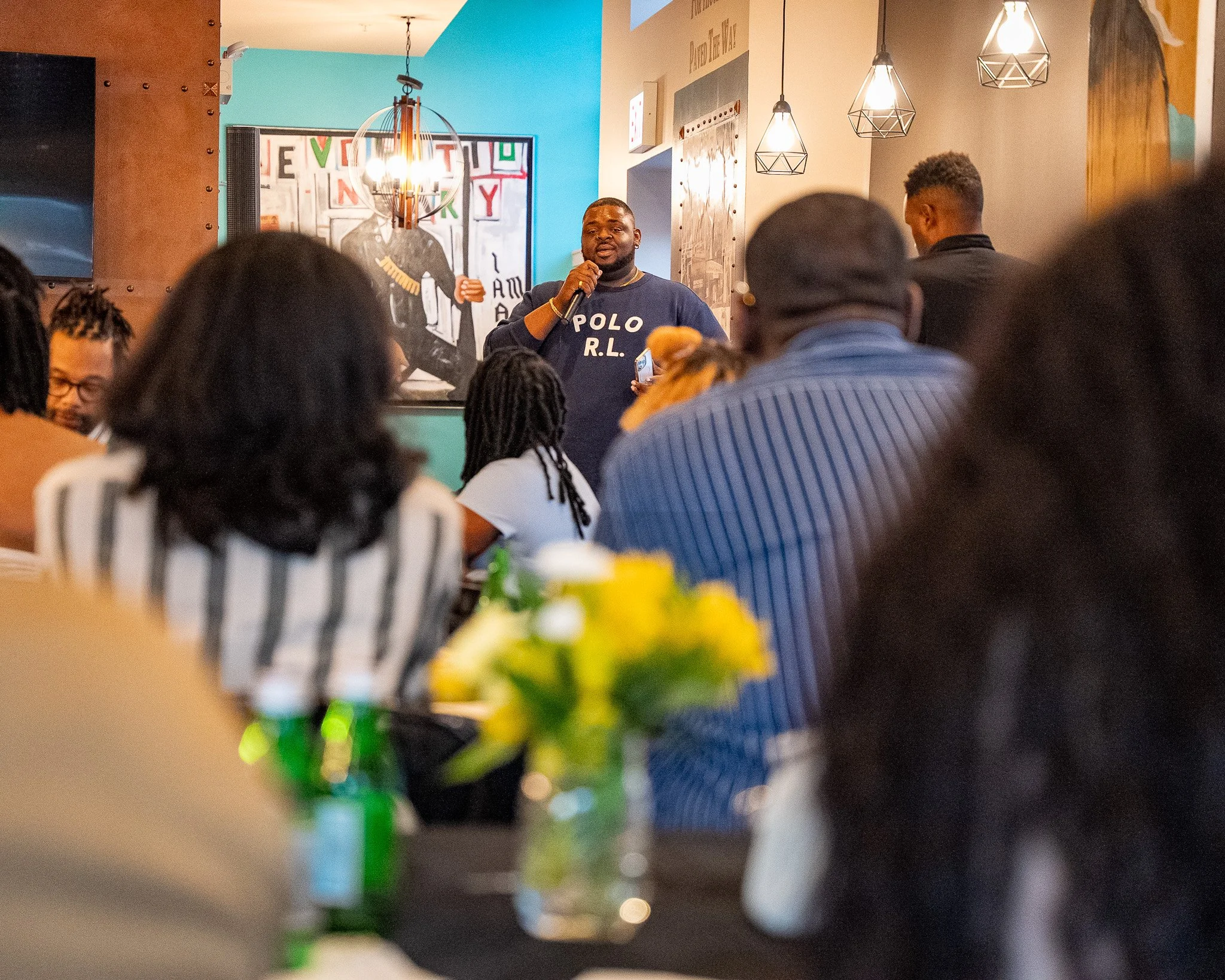
Programs built from inside the structure that has to hold them up.
Organizations running youth development and community engagement programs know that funding follows trust, and trust breaks down when the structure behind a partnership isn't built to hold it. Everyday Educators designs, supports, and evaluates programs from inside that structure, not outside it, built with community, not simply delivered to community.
About
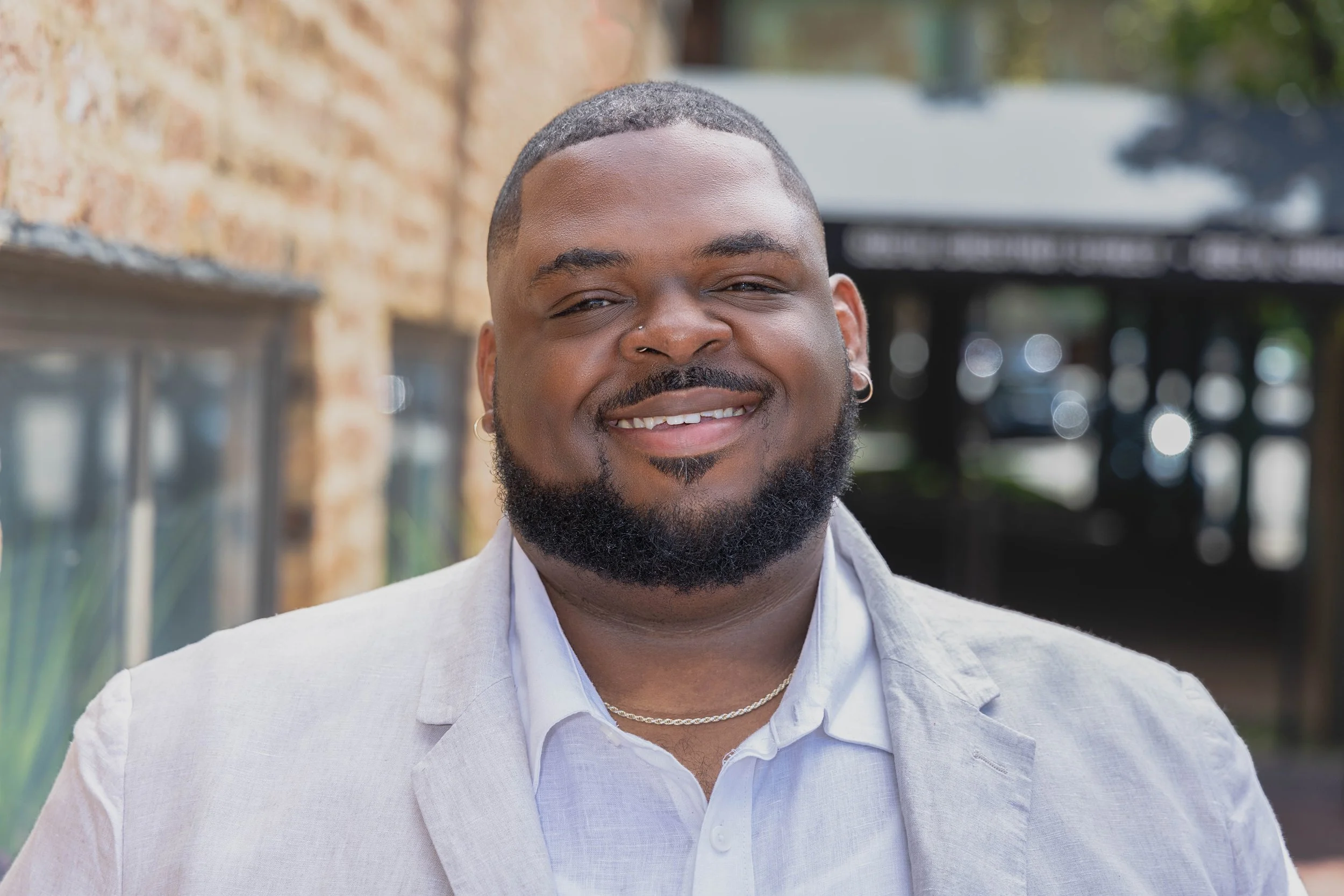
Everyday Educators designs, supports, and evaluates programs with the organizations and communities they serve, not from a distance. We build accountability into the structure from the start, and we stay close enough to the work to answer for it.
We've sat on the board seat, not just been the hired hand. That means holding governance accountability alongside a client, not just contract accountability to one. And the reciprocity question, why some partnerships between institutions and community organizations hold and others don't, is the subject of ongoing doctoral research we're actively applying to the work, not a credential we're waiting to finish before we use it.
We're working toward a field where partnerships hold up because they're reciprocal, not just funded, so programs last because the structure underneath them can be trusted.
Big Ideas Real Impact


Our Services
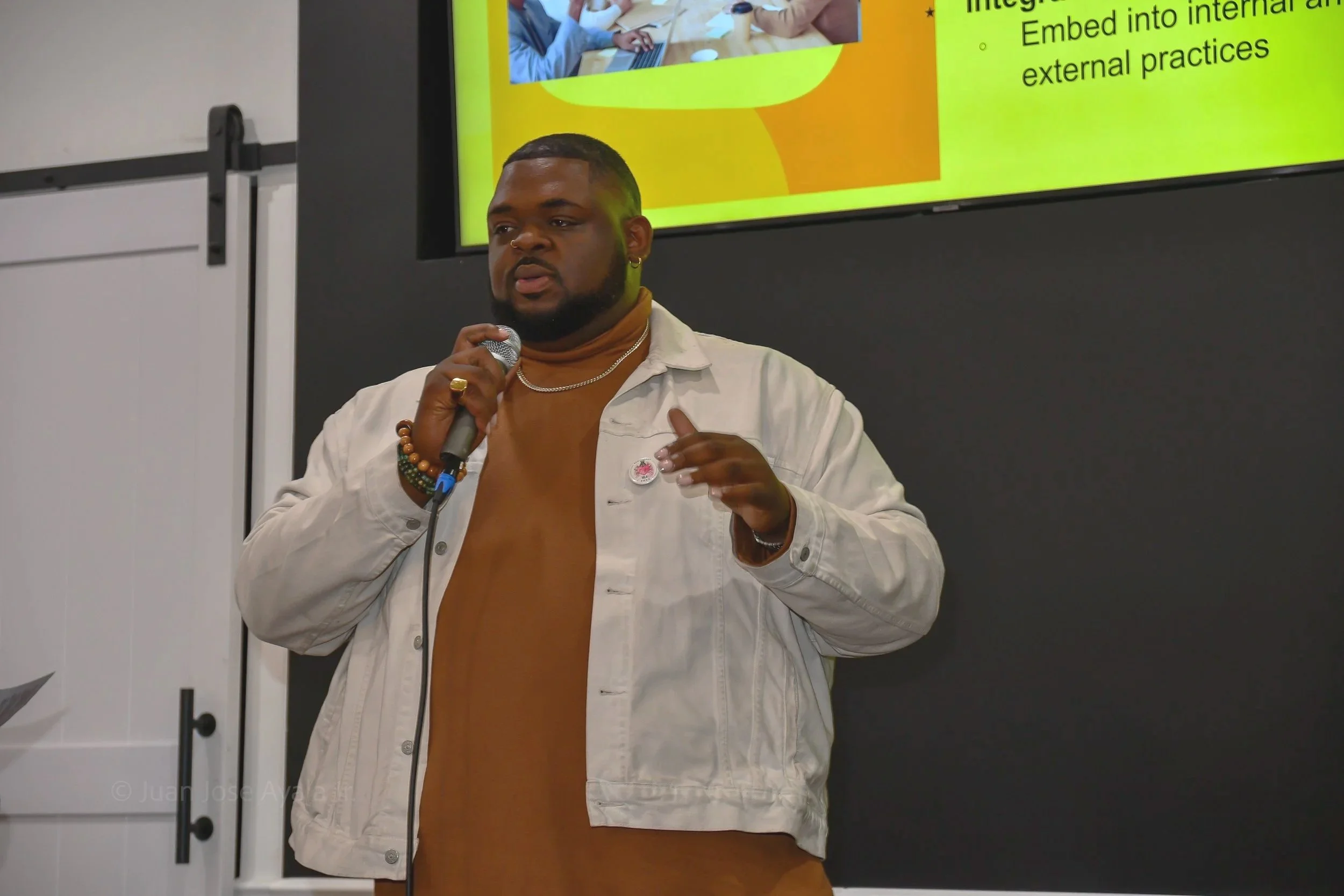
Program Design We design programs alongside the people who will run and experience them, and we build the accountability structure, who answers to whom, and how, into the design itself, not as a follow-up step. A program built without that structure in place is a program built to drift.

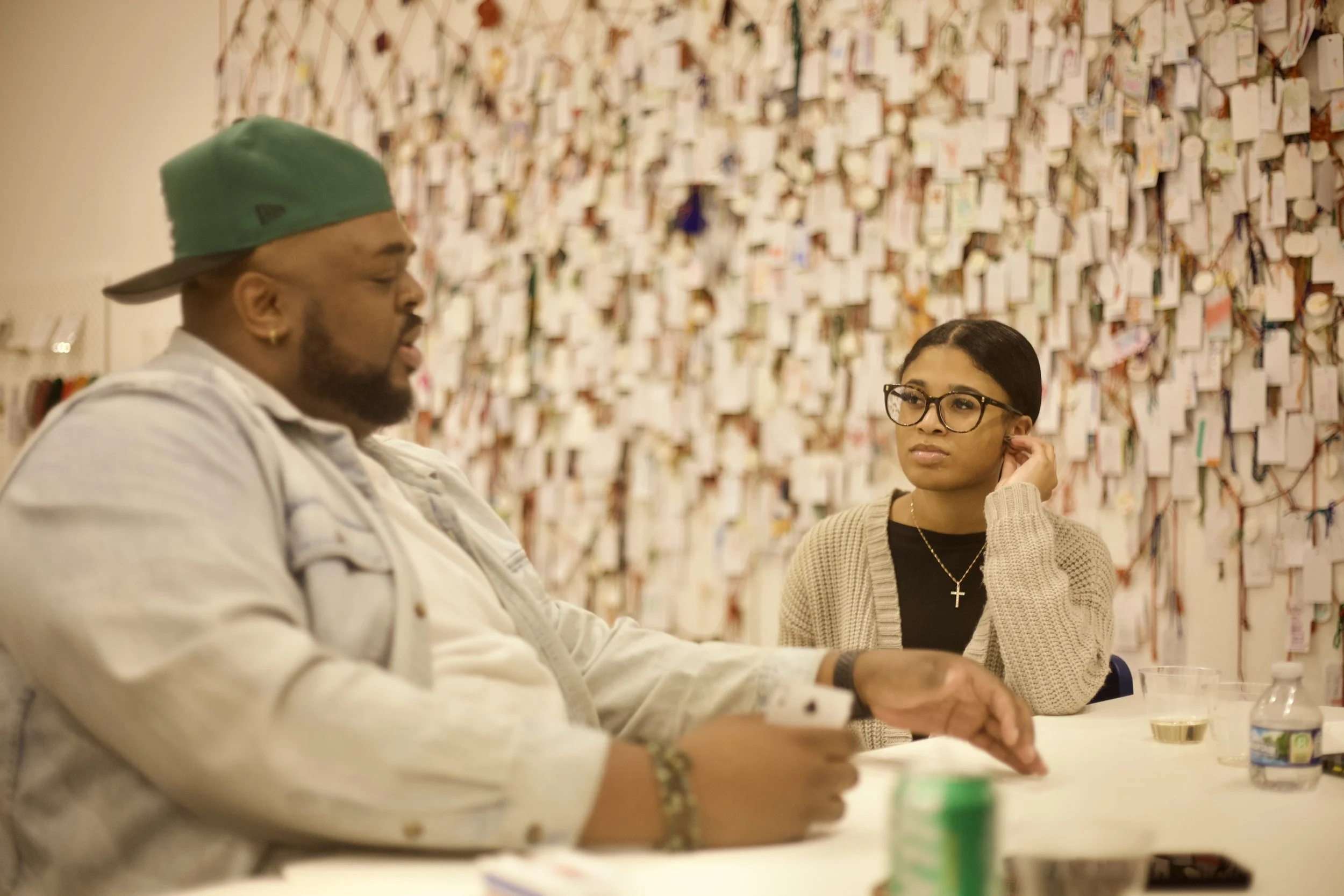
Facilitation & Program Support We stay present through implementation the way we'd stay present as a board member, not as the hired hand who hands off a plan and moves on. Support means being accountable to how the work actually goes, not just to the deliverable.
Impact & Program Evaluation We evaluate participant outcomes, and we evaluate the partnership carrying them, whether the funder, the institution, and the community organization are holding up their end in a way that's actually reciprocal. A program can look successful on paper while the structure underneath it is quietly failing. We look at both.
Approach
Programs don't struggle to attract participants because of bad luck. They struggle because of the depth and intentionality of the design, the quality of the participant experience, and the facilitator's ability to connect with and guide the people in the room.
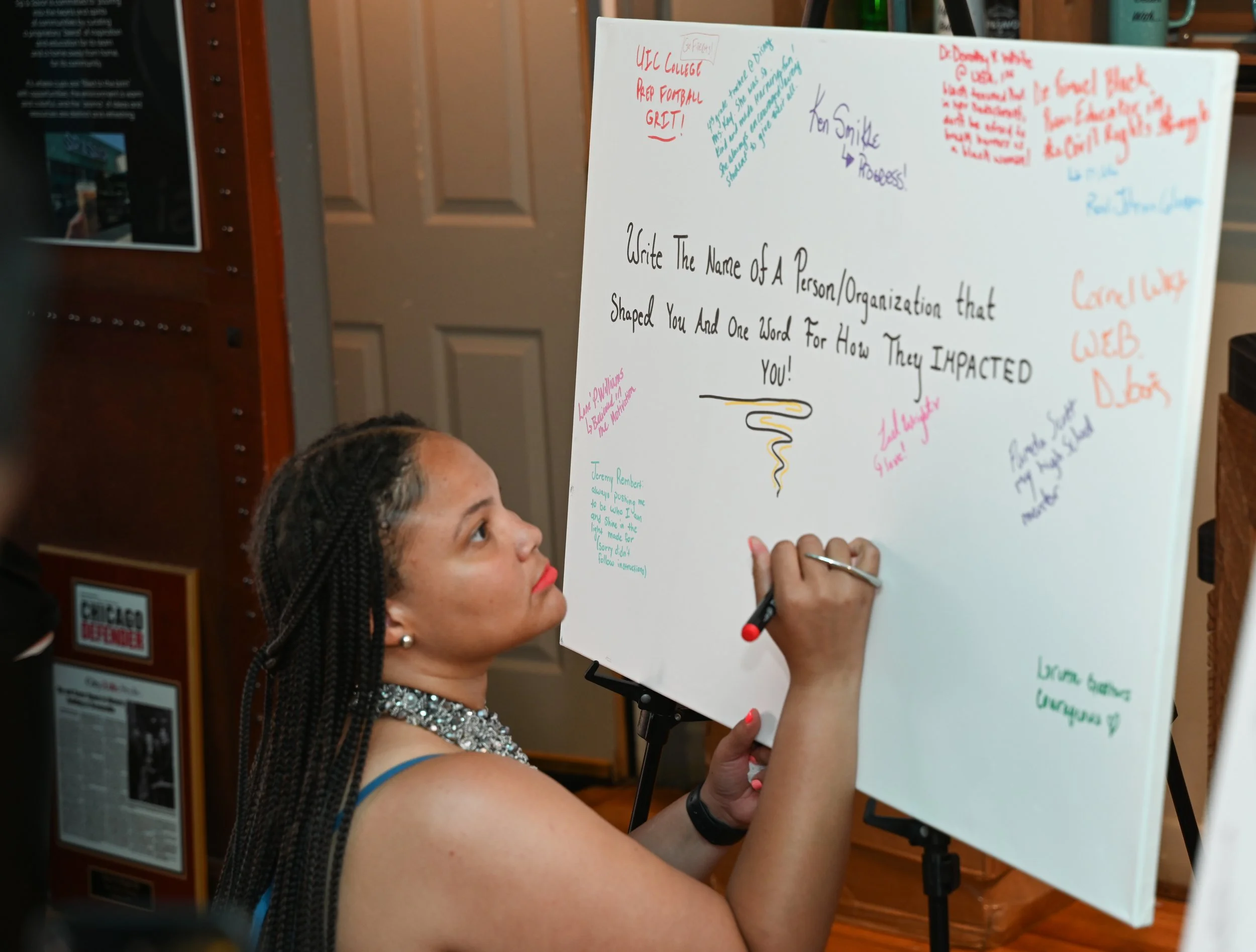
Everyday Educators works from Liberatory Design principles: noticing and reflecting before acting, designing with communities rather than for them, and staying aware of the structures and power dynamics already in the room. We build feedback loops that help programs learn as they go, so improvement is continuous, not an afterthought.
Strong programs do more than serve people. They listen, adapt, and improve.